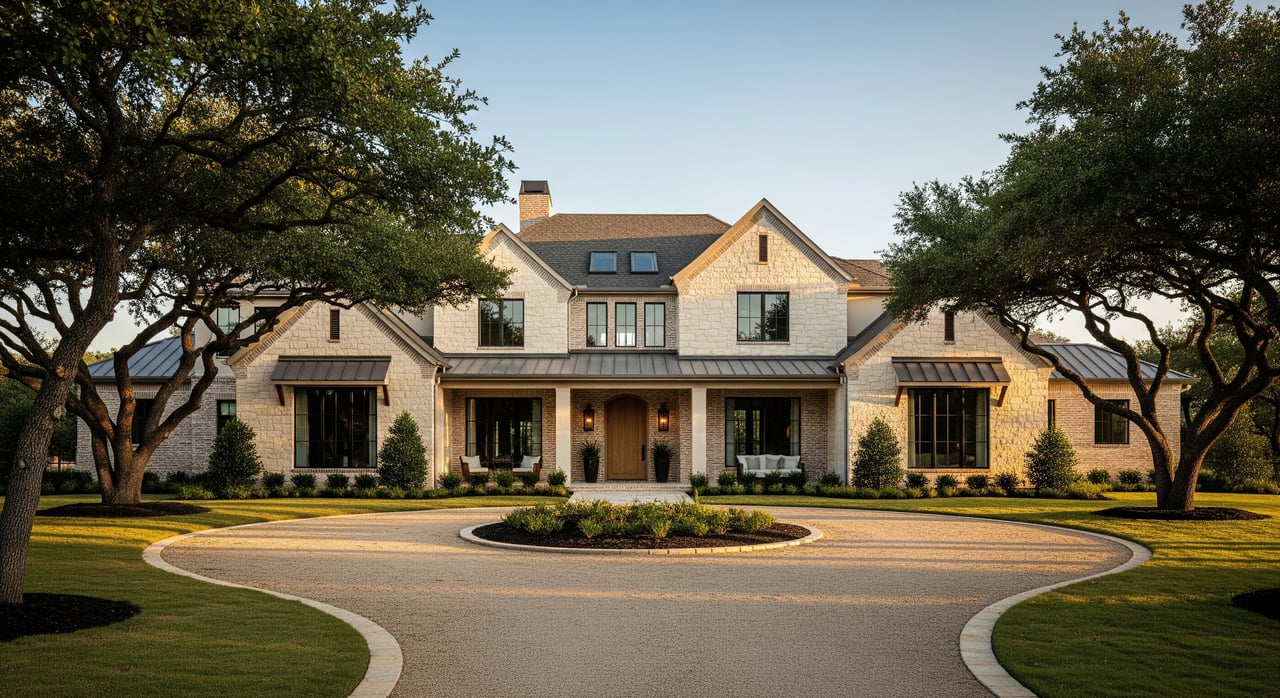
Appraisal Waiver Choices in Prosper TX: Risks & Rewards
January 8, 2026
January 8, 2026
Thinking about skipping the appraisal on your next Prosper home purchase or sale? You are not alone. In a fast-moving Collin County market with plenty of new builds and quick resales, an appraisal waiver can look like a shortcut to closing. It can help, but it is not always the right move.
In this guide, you will learn what an appraisal waiver is, how it works, the real risks and rewards in Prosper, and practical steps to protect yourself. You will also see when to lean in and when to ask for a full appraisal instead. Let’s dive in.
An appraisal waiver is a decision by a conventional mortgage investor, typically Fannie Mae or Freddie Mac, that a full, traditional appraisal is not required for a loan. Instead, their automated valuation models and comparable sales data provide enough confidence in the property’s value for that loan program.
Waivers are most common with eligible conventional conforming loans. They are not a standard feature of FHA or VA programs, which generally still require appraisals. Even with a waiver, your lender still verifies that the property meets program standards.
Skipping the appraisal step can remove a common bottleneck. In multiple‑offer situations, a faster timeline may stand out to a seller.
If your lender does not require a full appraisal, you typically avoid that several‑hundred‑dollar fee, which reduces buyer closing costs.
When there is no appraisal report, there is no appraisal value to challenge, which can simplify negotiations.
Some buyers present offers that are not dependent on an appraisal report. Sellers may view that as less friction. Contract protections still need attention.
Prosper has extensive new construction and recent development. In neighborhoods with limited resales or fast price changes, automated values can be less precise. That raises the risk of paying above or below true market levels.
Custom designs, extensive renovations, or homes on atypical lots can be hard for automated systems to match. Thin comparable sales can produce inaccurate values.
A waiver does not reveal roof, foundation, mechanical, or permit issues that a full appraisal or inspection might flag. Skipping inspections can lead to costly surprises.
Some buyers and sellers assume no appraisal means no valuation risk. The appraisal contingency in your contract is separate from the lender’s waiver. If a lender later requires an appraisal, you may face delays or new negotiations.
You may receive a waiver now, but a future refinance, HELOC, or sale to a new buyer may require a full appraisal. There is no cross‑lender guarantee.
If you are buying a typical single‑family home in a well‑established Prosper subdivision with many recent resales, a waiver can be reasonable. You still want a general home inspection to verify condition.
If your timeline is tight, your LTV is conservative, and the property is straightforward, a waiver can reduce cost and shorten the path to closing.
If the home is new or recently updated, a full appraisal can provide an independent read on value where comps are limited or upgrades vary.
If there are few recent sales nearby or prices are moving quickly, a professional appraiser’s judgment is helpful for pricing and peace of mind.
Acreage, corner or cul‑de‑sac premiums, water features, or significant view differences can confuse automated models. A full appraisal helps quantify these factors.
If you or your agent see signs of deferred maintenance, structural movement, or unpermitted work, ask for a full appraisal and keep your inspection contingency.
A local, hands‑on advisor helps you decide when a waiver supports your goals and when a full appraisal or field review is the safer choice. In Prosper and northern Collin County, that means:
Ask these five questions before you lean on a waiver:
If you answer no to any of these, consider a full appraisal or at least a field review.
If you are moving up into a luxury or highly upgraded home, or relocating on a tight schedule, balance speed with certainty. A waiver can keep things moving, but only if the property type and comps support it. If you are buying a custom or recently renovated home, a full appraisal can help you avoid costly mispricing and protect your investment.
You deserve clarity, not guesswork. With deep Prosper and Collin County experience, we help you decide when an appraisal waiver supports a smooth close and when a full appraisal adds value. We coordinate with lenders, guide your contingencies, and keep the process efficient and low stress.
Ready to talk strategy for your specific home or offer? Connect with Patricia Weidler for a tailored game plan.




As your trusted guide, you're not just acquiring a property; you're uncovering a home that encapsulates your dreams and aspirations.