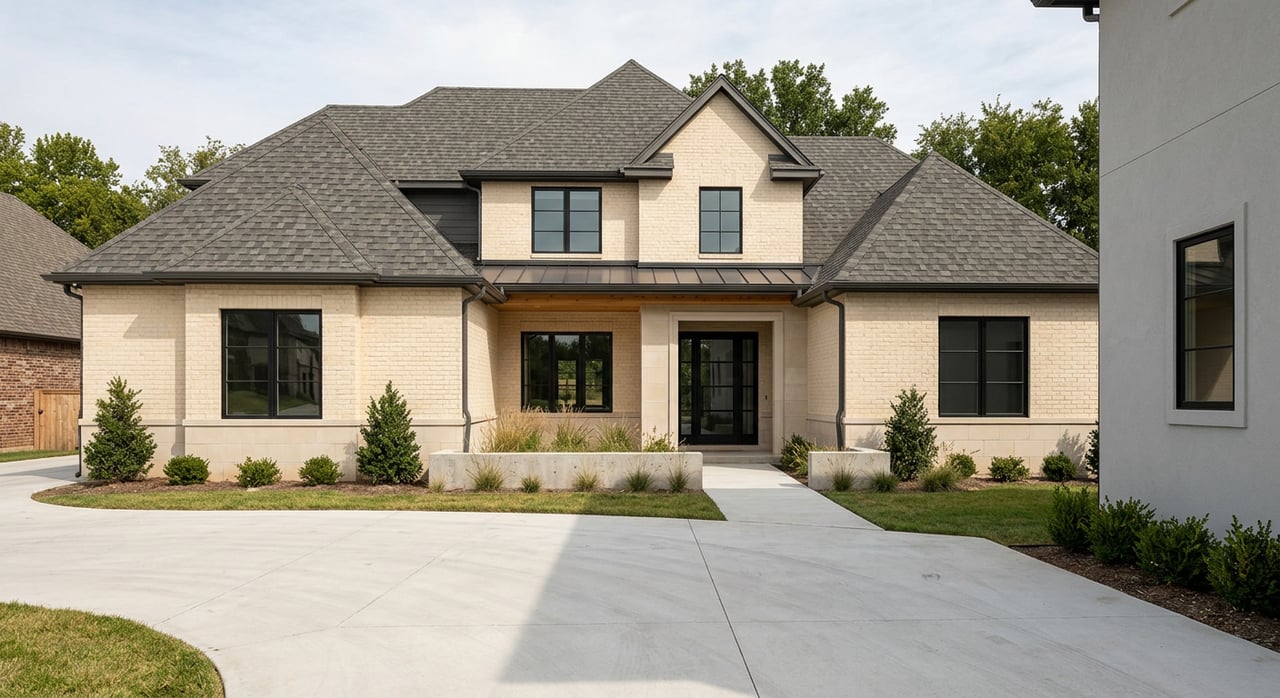
Frisco Master-Planned or Boutique: How to Choose
March 5, 2026
March 5, 2026
Torn between the all-in lifestyle of a master-planned community and the character of a smaller, boutique neighborhood in Frisco? You are not alone. Each path offers real advantages, from resort-style amenities to walkable pockets with distinct architecture and lower shared costs. In this guide, you will learn how these neighborhoods differ, what to look for in HOA documents, and where to explore local examples so you can choose with confidence. Let’s dive in.
Master-planned communities are large, multi-phase developments coordinated by a single master plan. They often include parks and trails, pools, fitness facilities, and nearby shops or services. In Frisco, public examples range from residential amenity-focused neighborhoods like Phillips Creek Ranch to mixed-use districts like Fields and Frisco Station. You can see the amenity scale at Phillips Creek Ranch, which highlights lakes, parks, pools, a fitness center, and miles of trails on its community page. For mixed-use context, explore city-focused updates for Fields and other projects on Visit Frisco, and the walkable district plan outlined by Frisco Station’s official site.
“Boutique” neighborhoods are smaller pockets or infill areas that place more emphasis on location and variety than on shared amenity campuses. Think of historic or near-downtown blocks, custom-home enclaves, and limited-scale subdivisions. Frisco’s Downtown and Rail District illustrate the boutique feel with local shops, plazas, museums, and small-scale improvements highlighted by Visit Frisco.
| Theme | Master-planned communities | Boutique neighborhoods |
|---|---|---|
| Amenities | Extensive amenity campuses like pools, fitness, lakes, and long trail systems. Example: Phillips Creek Ranch lists 100+ acres of parks and lakes plus a fitness center and pools. | Limited or no shared amenities. Access typically comes from nearby public parks, shops, plazas, and private clubs. Downtown and Rail District are walkable examples. |
| HOA and fees | Often a master association plus sub-associations. Fees may be higher or more comprehensive due to amenity upkeep and professional management. | Smaller HOAs with narrower scopes, or no HOA. Generally lower shared-cost overhead, but fewer included services. |
| Lot sizes and home types | Wide range across phases. Some subsections offer 55-foot homesites and coordinated builder lines. | Varied lot sizes and architecture, from small infill townhomes to custom-home parcels. |
| Architectural controls | Stronger, developer-driven standards for consistency and curb appeal, plus formal architectural review. | More variety and uniqueness with less uniformity. |
| Daily feel and location | Predictable streetscapes, programmed spaces, and coordinated amenities. Mixed-use versions add walkability. | Distinct character and walkable, local destinations near downtown or transit corridors. |
| Phasing and timing | Multi-year build-out. Early buyers may live near active construction and phased amenity rollouts. | Often built out or small-scale infill with less long-term construction nearby. |
Explore amenities at Phillips Creek Ranch on the community’s site: Phillips Creek Ranch amenities. For mixed-use context and downtown updates, review Visit Frisco’s New & Next and the Frisco Station plan.
You often get a curated amenity experience: multiple pools, trails, a fitness center, and shared gathering spaces. At Phillips Creek Ranch, the community highlights lakes, parks, a junior-Olympic pool, fitness, and nearly 18 miles of trails, all maintained by the association. This scope supports an active lifestyle and on-site social options without leaving the neighborhood.
Amenities are lighter. You might see a small park or shared space, or none at all. Instead, your “amenity” is location: the Rail District, Frisco Heritage Center, shops, restaurants, and small public plazas. Visit Frisco’s New & Next page showcases these ongoing improvements and the kind of urban energy buyers seek near downtown.
Master plans commonly use a multi-tier model: a master association oversees major assets like lakes, regional parks, and amenity centers, while sub-associations handle neighborhood-level rules and maintenance. Communities like Phillips Creek Ranch note centralized association structures and professional management listed in association directories. Smaller or boutique areas may have a single, narrower-scope HOA or no HOA.
Helpful links: TREC on HOA management certificates and the Texas State Law Library POA guide.
Always confirm coverage in writing. Ask what the master association covers versus any sub-association. Where a subsection advertises services like front-yard maintenance, verify that detail in the documents.
You typically see a menu of products across phases. Some Frisco subsections offer 55-foot homesites and a range of builders with coordinated streetscapes. That consistency can make valuations and resale comparables more straightforward. For example products and lot sizes inside Phillips Creek Ranch, review a builder’s 55-foot homesites listing on NewHomeSource.
Expect more variety. You may find compact townhome lots, one-off custom homes, or larger parcels behind a gate. This can be great if you want distinctive architecture or a unique street feel. Just know that variety often means less predictability in pricing and resale comparables.
Master-planned neighborhoods often deliver a consistent, resort-like environment with coordinated amenities and common areas. Some mixed-use districts add walkability and office or retail access within the master plan. Frisco examples include the 240-plus-acre Frisco Station district and the city’s updates for Fields on Visit Frisco.
Boutique neighborhoods lean into character and proximity. Being near the Rail District or the Frisco Heritage Center can put you close to local shops, museums, and community spaces that create a different kind of daily rhythm. If you prize a unique streetscape and quick access to downtown-style options, this may be your fit.
Master plans unfold over years. If you buy early in a phase, you may live with construction traffic and evolving streets or amenities as the community builds out. Ask for the current master plan, amenity timeline, and any developer control period that affects decisions. Smaller boutique areas are often complete or limited to short infill phases, which reduces long-term construction exposure.
Use these Texas-specific steps to protect your interests:
These are publicly known examples used for illustration. They are not recommendations. Use them to understand format and feel, then compare options that match your goals.
Choose a master plan if you want a coordinated, amenity-forward lifestyle with predictable streetscapes, a defined HOA framework, and on-site recreation. Choose a boutique pocket if you prioritize location, unique architecture, and a lighter HOA touch or none at all. Many buyers blend both: a smaller enclave near a larger district, or a subsection within a master plan that offers extra privacy or services like included front-yard maintenance. Align the choice with how you live day to day, not just how the home looks on paper.
Ready to compare neighborhoods side by side and verify the fine print with confidence? Reach out to Patricia Weidler for a curated tour, HOA guidance, and access to on and off-market options that match your lifestyle.



As your trusted guide, you're not just acquiring a property; you're uncovering a home that encapsulates your dreams and aspirations.