
How to Sell and Buy at the Same Time in Prosper
April 23, 2026
April 23, 2026
If you are selling in Prosper and buying your next home at the same time, the biggest challenge usually is not finding a plan. It is choosing the right plan for your timing, finances, and comfort level. In a market where homes can take time to sell but standout listings can still move quickly, you need a strategy that helps you protect your equity without missing the right next home. Let’s dive in.
Prosper continues to grow, with the town reporting a population of 46,087 as of January 1, 2025, and that growth shapes how local housing decisions feel in real life. According to Prosper demographic data, the area remains one of North Texas’s most notable move-up markets.
That said, timing your sale and purchase here takes more than guesswork. Redfin’s March 2026 Prosper housing market data shows a median sale price of $790,000, about 98 days on market, a 96.1% sale-to-list ratio, and a market it describes as not very competitive, with multiple offers described as rare.
For you, that creates an interesting balance. You may have more room to structure your move than you would in a very fast market, but you still cannot assume every desirable home will wait. Redfin also notes that hot homes can go pending in around 47 days, which is why planning ahead matters.
Before you decide how to line up both transactions, it helps to answer three practical questions first. These questions shape nearly every smart move-up strategy.
Your available equity affects your down payment options, closing flexibility, and how much cash you can comfortably use before your current home sells. A lender can help estimate likely sale proceeds and show how that equity may support your next purchase.
Some homeowners want the freedom to buy before they sell, but that only works if the monthly payment structure is manageable. According to Fannie Mae’s guidance on bridge and swing loans, lenders must document the borrower’s ability to carry the new home, current home, bridge loan, and other obligations when this type of financing is used.
Some sellers want the cleanest path with the least financial overlap. Others want the strongest chance to secure the next home first. Knowing whether you prioritize speed, certainty, or negotiation power helps determine if you should sell first, write a contingent offer, negotiate a leaseback, or explore temporary financing.
The Consumer Financial Protection Bureau says that if you want to move, you normally try to sell your home first before buying another one. In practice, many Prosper move-up homeowners choose from four main approaches.
This is often the most conservative option. You close on your current home, know exactly how much money you have available, and then shop for the next property with fewer financing variables.
The tradeoff is convenience. You may need temporary housing, storage, or a very tight move timeline if your next home is not ready yet. Still, this route can reduce financial pressure and make your purchase side simpler.
A contingent offer means your purchase depends on your current home selling and closing first. In Texas, the Addendum for Sale of Other Property by Buyer is used when buyers will be unable to buy the new property unless their existing property is sold and closed.
In Prosper, this approach may be more workable than in a highly competitive market because Redfin describes multiple offers as rare. Even so, that does not guarantee a seller will accept a contingency, especially if the home is newly listed or especially desirable.
A leaseback can be helpful when you want to close your sale first but need a little more time to complete your next move. Texas uses the Seller’s Temporary Residential Lease for situations where the seller remains in the home for no more than 90 days after closing.
This can create breathing room between closings. It is especially useful when your buyer wants to close now, but you need time to finalize your purchase or move logistics. The important point is that a leaseback is a short bridge, not a long-term housing solution.
If you want or need to buy before your current home closes, temporary financing may help bridge the equity gap. Fannie Mae’s bridge loan guidance explains that this type of financing is acceptable only under specific conditions, including limits on cross-collateralization and clear proof that you can handle all related obligations.
For some homeowners, CFPB also notes that HELOCs and home equity loans can provide access to existing equity. These options can involve appraisal costs, closing costs, variable rates, and repayment considerations once the home sells, so they should be reviewed carefully with your lender.
Coordinating two transactions means your financing plan needs to be especially clean. Small timing issues can quickly become larger stress points if you are not prepared.
According to the CFPB’s preapproval guidance, a preapproval letter helps when you are ready to shop seriously, but it usually expires in 30 to 60 days. That matters if your current home may take time to sell.
A preapproval is also not the same as a final loan approval. CFPB notes that you do not have to choose that lender yet, and you should compare official Loan Estimates from multiple lenders before deciding.
Many move-up buyers focus on equity and monthly payments first, but your cash needs are broader than that. Freddie Mac explains that closing costs generally run about 2% to 5% of the purchase price, and earnest money is typically 1% to 2%.
CFPB also advises budgeting for moving costs, repairs, new furniture, property taxes, insurance, and HOA dues. When you are both selling and buying, these overlapping expenses can affect your comfort level more than expected.
The final week before closing is not the time to discover surprises. CFPB says buyers must receive the Closing Disclosure at least three business days before closing, and you should contact the lender or closing agent at least a week before closing to confirm how it will be delivered.
If your sale and purchase are connected, any delay can ripple through both transactions. That is why a local closing team and clear communication matter so much.
In Prosper, a thoughtful plan often works better than an aggressive one. Because the market is valuable but not especially fast-moving overall, many homeowners benefit from building enough runway to prepare, market, and negotiate the sale of the current home without waiting so long that the next purchase becomes harder.
A common planning path may look like this:
This kind of structure gives you more clarity and fewer rushed decisions. It also helps you stay realistic about both the market and your household’s tolerance for risk.
When you are juggling a sale and a purchase, details matter. Texas already has standard forms for common scenarios like a buyer’s sale contingency and a seller’s temporary residential lease, which helps bring structure to the process.
The bigger advantage is knowing when and how to use those tools. CFPB recommends working closely with your lender and closing agent before closing, and in a coordinated move, that collaboration becomes even more important. The right guidance can help you line up dates, reduce surprises, and keep both sides of the transaction moving together.
There is no one-size-fits-all answer for coordinating your Prosper home sale and next purchase. The best strategy depends on your equity, your financing options, your timing, and how much uncertainty you are comfortable carrying.
If you want a polished, concierge-level plan for selling your current home and navigating your next move in Prosper or northern Collin County, Patricia Weidler can help you build a strategy that fits your goals and timeline with clarity and care.
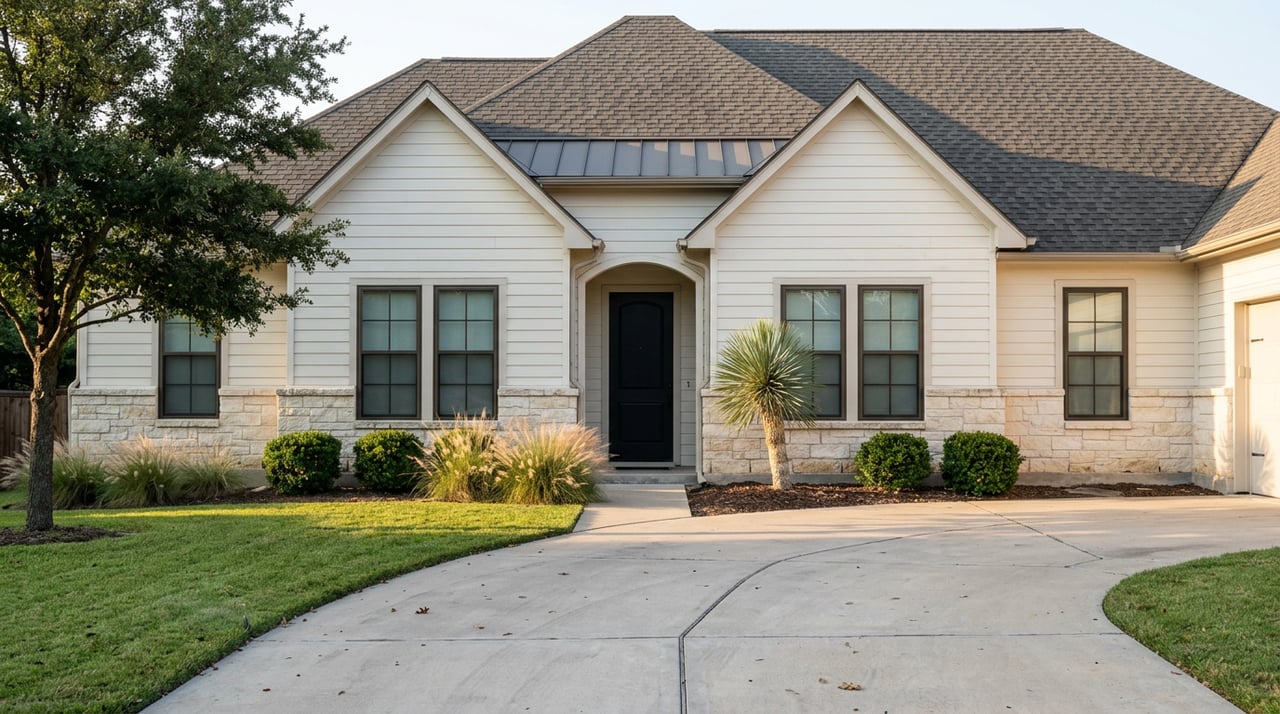
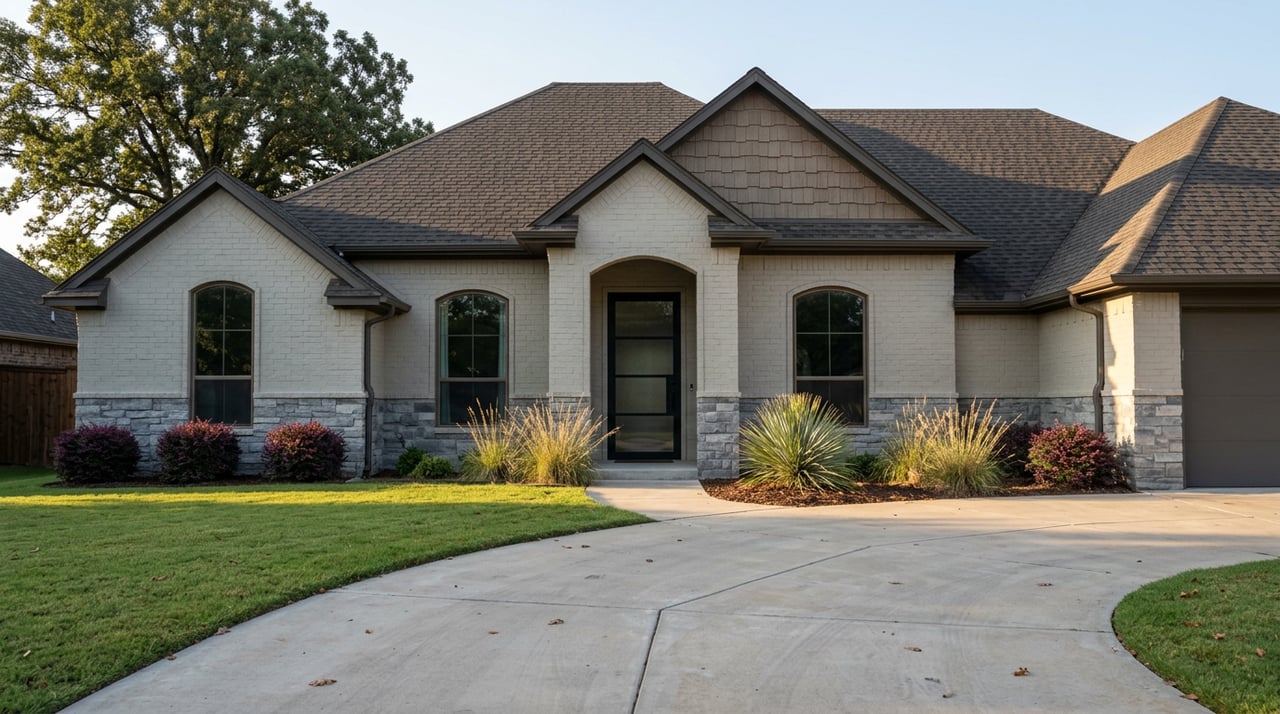




As your trusted guide, you're not just acquiring a property; you're uncovering a home that encapsulates your dreams and aspirations.