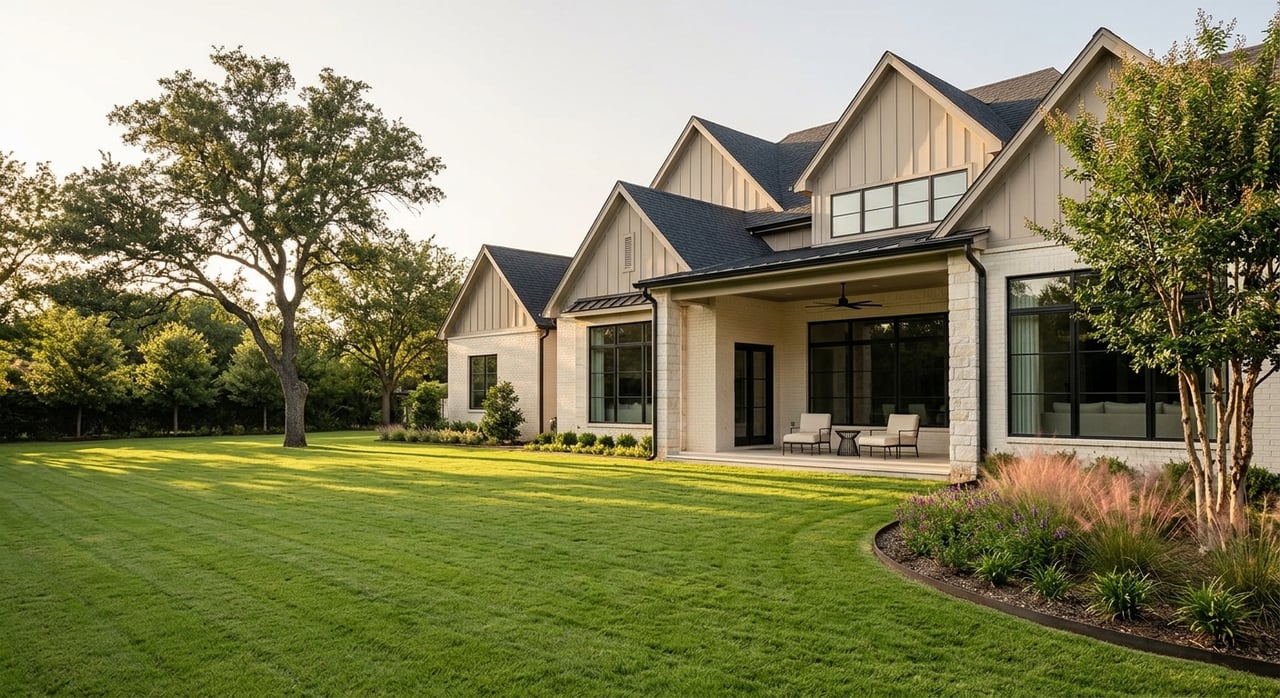
Choosing Between Amenities And Lot Size In McKinney
June 4, 2026
June 4, 2026
Are you choosing a home in McKinney and wondering whether neighborhood amenities are worth giving up a bigger yard? It is a common tradeoff, especially as you balance budget, lifestyle, privacy, and long-term plans. The good news is that McKinney offers strong options on both sides, from amenity-rich communities to larger-lot settings with more room to spread out. If you know what matters most in your daily life, the right choice becomes much clearer. Let’s dive in.
McKinney is not a one-size-fits-all market. The city’s estimated population reached 236,001 in July 2025, up 20.8% from 2020, which shows how quickly the area continues to grow. It also has a 63.8% owner-occupied housing rate, a median owner-occupied home value of $471,800, and a median household income of $124,215.
That growth shapes where homes, amenities, and future development go across the city and its extraterritorial jurisdiction. McKinney’s comprehensive planning framework covers roughly 116 square miles, which means your decision is not just about one home. It is also about how you want to live as the city continues to evolve.
For many buyers, neighborhood amenities create an easier and more connected daily routine. A community pool, trails, green space, or shared gathering areas can make it simpler to enjoy your surroundings without needing extra land to maintain yourself. That can be especially appealing if you want convenience and a more turnkey lifestyle.
In McKinney, the value of amenities is not limited to private neighborhood features. The city says it maintains 80 miles of hike-and-bike trails and nearly 3,000 acres of parks and open space. Its Parks Master Plan also says McKinney had about 11 acres of parkland per 1,000 residents in 2022, which was above the 9.9-acre benchmark cited in that same plan.
That matters because some buyers may not need a neighborhood packed with private features if the public park and trail system already supports how they like to spend their time. If your weekends already revolve around public trails, open space, and city parks, paying extra for overlapping amenities may not always deliver the best value for you.
When a community includes shared amenities or common areas, those costs are often paid through HOA dues rather than your mortgage payment. That can make a home seem manageable at first glance, but the full monthly cost may be higher once dues are added in. Buyers should think about those fees as part of the true cost of ownership.
The Consumer Financial Protection Bureau notes that HOA dues are generally paid directly to the HOA and should be included in your affordability planning. It also notes that dues can range from a few hundred dollars per month to more than $1,000. Fannie Mae adds that HOA fees vary based on location, property value, and amenities, and they may increase over time.
Amenities can come with structure, which some buyers appreciate and others do not. Fannie Mae notes that HOA rules may limit exterior changes, including landscaping or structural work. If you like a polished community look and fewer exterior variables, that may feel like a benefit.
If you want more freedom to personalize the property, those same rules may feel restrictive. This is why it is important to think beyond the pool or clubhouse and ask how much control you want over your own space.
If privacy, outdoor space, or flexibility rank higher on your list, a larger lot may be the better fit. In McKinney, larger-lot living is not just an older housing pattern. It is also part of the city’s long-range planning for future housing options.
McKinney’s comprehensive plan includes an Estate Residential placetype for households that want larger lot neighborhoods. These lots are described as roughly one-half acre to 2 acres. The plan also includes a Rural Living placetype for even larger parcels, generally more than 2 acres, with a more country atmosphere.
These areas are described as following natural amenities such as creeks, floodplains, and tree stands. For buyers who want breathing room, visual privacy, or a stronger sense of separation from neighboring homes, that planning direction is meaningful.
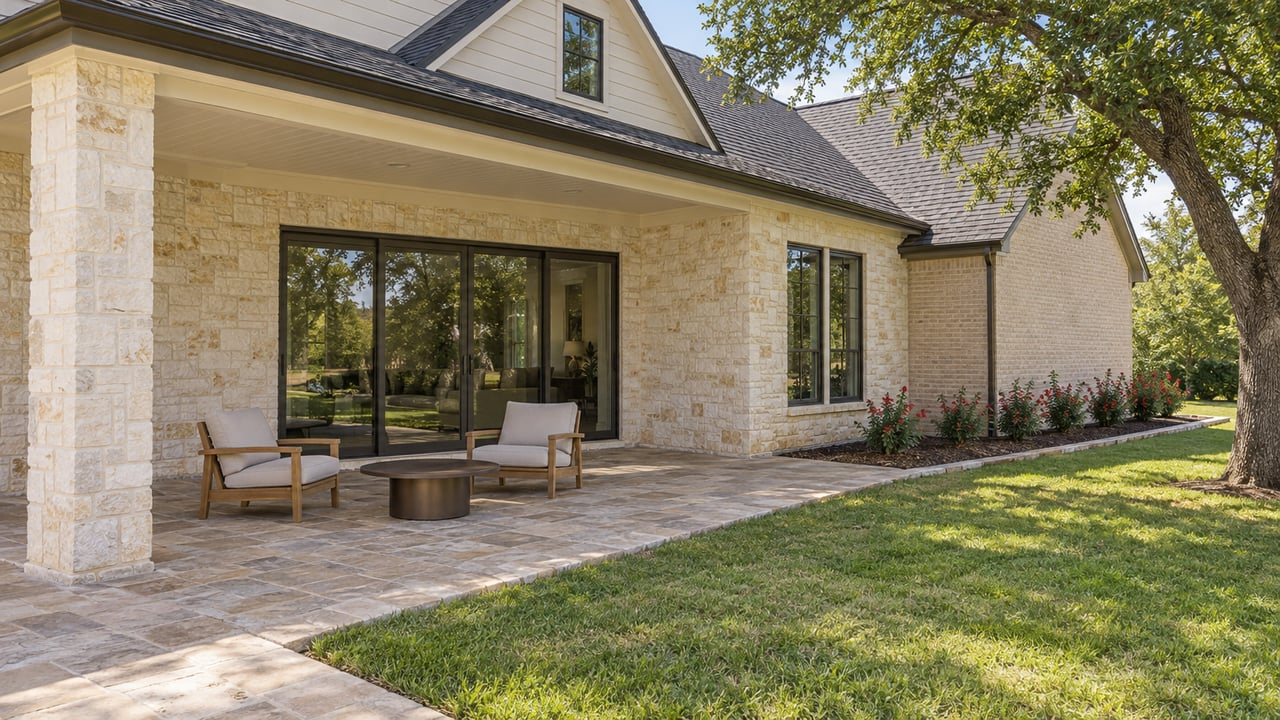
A larger lot often gives you benefits that are hard to create in a tighter planned community. You may have more room for outdoor living, entertaining, pets, gardening, or future improvements, depending on the property and local regulations. You may also enjoy a different rhythm of living, with more space between homes and less reliance on shared common areas.
This type of property can be especially appealing if your needs may change over time. If you expect to want more room for gatherings, hobbies, or a more private outdoor setup, lot size can support that flexibility in a lasting way.
In McKinney, lot size is a real planning and zoning issue, not just a marketing term. The city says zoning districts govern lot size, lot width, setbacks, building height, lot coverage, and screening. It also notes that zoning verification letters can confirm minimum lot sizes and other development standards for a specific property.
That means two homes that look similar online may offer very different future options. If your decision depends on how you want to use the land, zoning and property-specific standards deserve close attention early in the process.
A helpful way to frame this decision is simple: shared convenience versus private land. Neither choice is automatically better. The right answer depends on how you actually live.
Amenity-heavy communities often make the most sense when you will use the shared features regularly enough to justify the dues and rules. Larger-lot homes often make more sense when privacy, outdoor room, or long-term flexibility matter more than having those shared features nearby.
Before you choose between amenities and lot size in McKinney, ask yourself a few honest questions.
If you are actively home shopping, it helps to compare each property through a lifestyle lens, not just a price-per-square-foot lens. A home in an amenity-rich community may offer a more polished, lower-maintenance experience, but it may also come with dues and design limitations. A home on a larger lot may offer privacy and flexibility, but it may also require more upkeep.
Here is a simple way to think about it:
| Priority | Amenity-Focused Community | Larger-Lot Home |
|---|---|---|
| Recreation | Shared features nearby | More private outdoor space |
| Monthly costs | HOA dues may be higher | More land may mean more upkeep |
| Personalization | Often more HOA rules | Often more flexibility |
| Privacy | Typically closer home spacing | Typically more separation |
| Long-term use | Best if you use amenities often | Best if land matters to your lifestyle |
In McKinney, this is not really a debate about which feature is more valuable in general. It is about whether you want to spend on shared convenience or on private space and flexibility. Because McKinney offers both a strong public park system and a planning framework that includes larger-lot living, buyers have real options.
If you are buying in the upper-mid to luxury range, this decision becomes even more important because lifestyle fit matters just as much as square footage. The right home should support the way you want to live now and the way you expect life to look in the years ahead.
A thoughtful home search should go beyond bedroom count and finishes. It should help you weigh daily convenience, privacy, future plans, and the full cost of ownership so you can make a decision that feels right long after closing.
If you want help comparing homes, neighborhoods, and lifestyle tradeoffs in McKinney, Patricia Weidler offers a concierge approach designed to help you find the right fit with clarity and confidence.
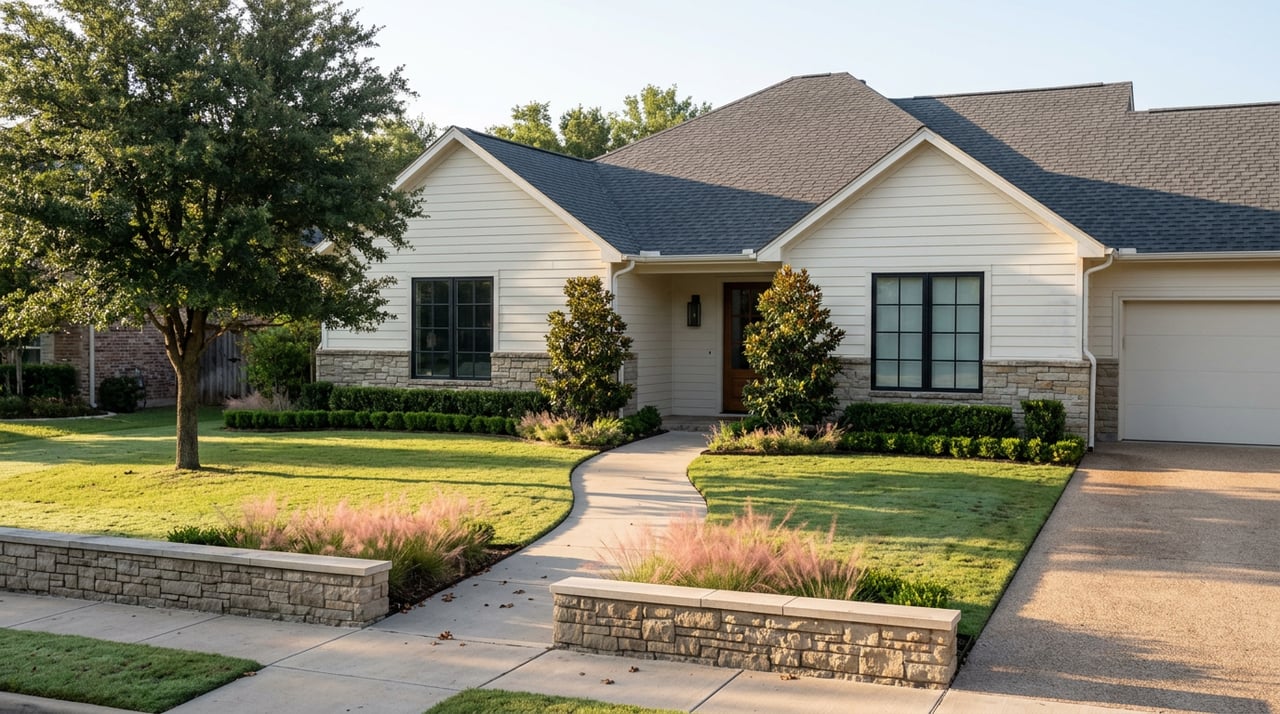
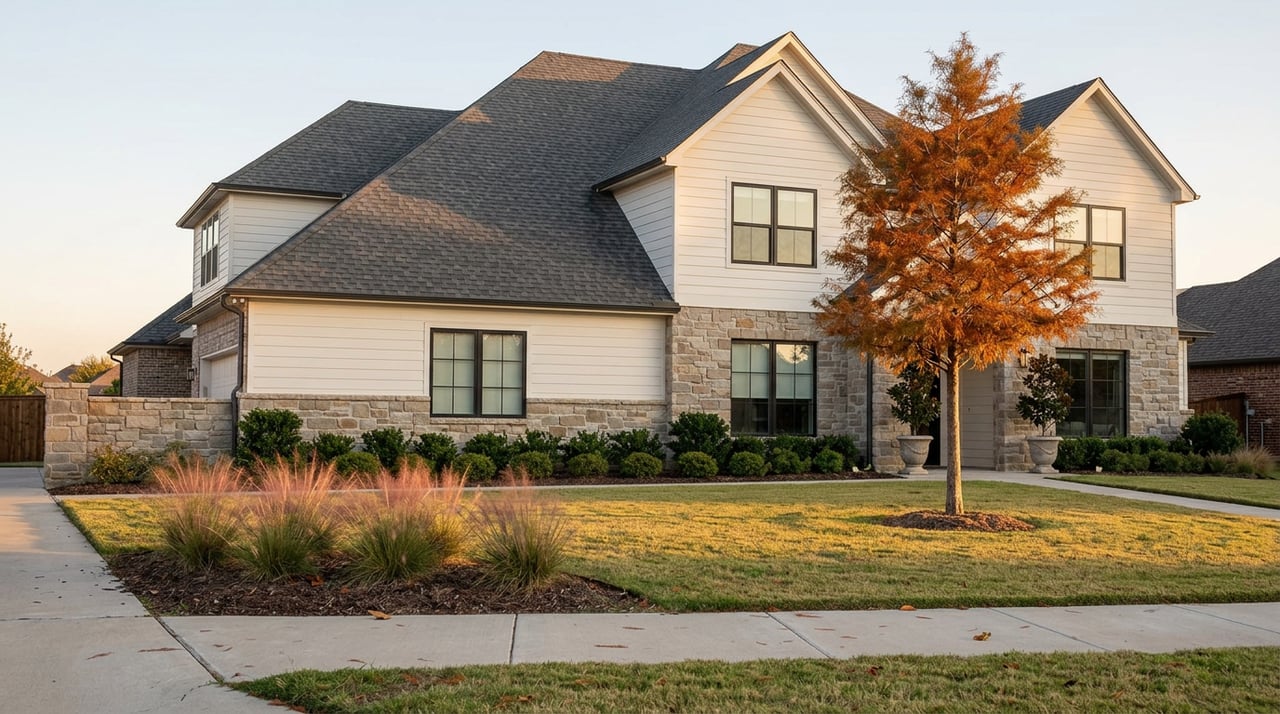
As your trusted guide, you're not just acquiring a property; you're uncovering a home that encapsulates your dreams and aspirations.