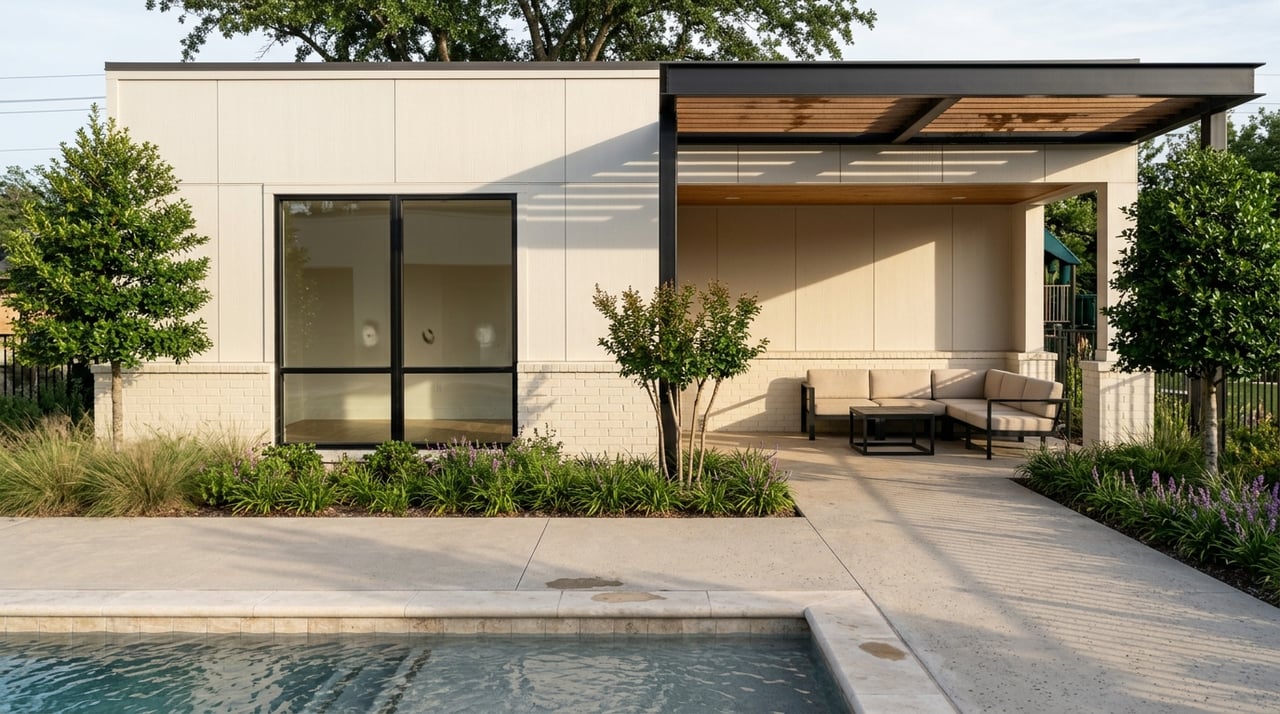
Prosper Amenity Centers and Everyday Family Lifestyle
July 2, 2026
July 2, 2026
If you are comparing neighborhoods in Prosper, the pool and playground are only part of the story. What often shapes your daily routine most is how shared spaces fit real life, from quick after-school breaks to weekend sports and summer afternoons outdoors. In a fast-growing town where many households include children, amenity centers can have a real impact on how you live, gather, and spend time close to home. Let’s take a closer look.
Prosper has grown quickly, with the town reporting a population of 49,355 as of January 1, 2026. Census QuickFacts also show a 2020 population of 30,174, with 32.7% of residents under 18, an average household size of 3.37, and an owner-occupied housing rate of 87.9%.
Those numbers help explain why amenity-rich neighborhoods get so much attention here. In a town with many larger households and a strong ownership base, shared outdoor and indoor spaces often become part of the weekly rhythm rather than a once-in-a-while perk.
The Town of Prosper’s parks master plan also points to a family-focused identity, noting that parks support quality of life through physical activity, social gatherings, and community events. Just as important, the town says it is working to preserve its rural character while adapting to ongoing growth.
Prosper’s development framework helps explain why so many neighborhoods include trails, open space, and amenity centers. The town uses Planned Development districts for integrated residential communities, and its site-plan process requires open-space and landscape planning to align with town guidance.
In practical terms, that means many neighborhoods are designed around more than streets and home sites. You will often see a layout that connects homes to shared amenities, trail systems, landscaped areas, and gathering spaces that support everyday use.
For buyers relocating from other parts of North Texas or out of state, this can be an important distinction. Two neighborhoods may offer similar home sizes and price points, but the way shared space is planned can create a very different day-to-day experience.
Many Prosper master-planned communities include a familiar mix of features designed for routine use. Town ordinances commonly require or describe amenities such as:
Some communities go further and include indoor or semi-private gathering space. Depending on the development, that can mean community buildings with:
This matters because it gives you more than just a visual selling point. It can change how easily you host events, stay active during different seasons, or meet neighbors without leaving the community.
The biggest value of an amenity center is often not luxury. It is convenience.
A nearby playground can turn a short window between school and dinner into outdoor time. A trail can make evening walks easier to fit into the day. A pool or splash feature can become the default answer on hot summer afternoons.
On weekends, sports courts and open fields can help anchor family routines. Whether you are meeting friends, practicing a skill, or just getting everyone outside, it helps when recreation is built into the neighborhood instead of requiring a longer drive.
Shared indoor space can matter just as much. Community rooms, meeting rooms, and reservable spaces can support birthday parties, neighborhood gatherings, resident meetings, or simple backup plans when weather does not cooperate.
One of the most useful ways to think about Prosper is that neighborhood amenities and town parks often complement one another. They do not always serve the exact same role.
Neighborhood amenity centers are often HOA-maintained and may be reserved for owners and their guests. That makes them more like private shared infrastructure within the community than public parkland open to everyone.
Town parks, by contrast, give you broader public access and more options across the community. This can be especially helpful if you want variety in your routine or if you are comparing a master-planned neighborhood with a more traditional subdivision.
Prosper’s public recreation network is substantial. The town’s park system spans 634 acres and includes 61 developed miles of hike-and-bike trail.
That larger system gives residents a second layer of recreation beyond their neighborhood entrance. Even if your community has its own pool, playground, or clubhouse, town parks can add different play areas, fields, courts, trails, and event spaces to your weekly options.
Frontier Park is a good example. It includes a community-built playground, splash pad, pavilion rental, lighted sports fields, and restroom and concession buildings.
Lakewood Park adds another mix of uses, including a playground for all ages, a hike-and-bike trail, basketball and pickleball courts, a cricket pitch, soccer fields, and natural areas. For many households, that means local recreation is not tied to a single space or one kind of activity.
In North Texas, weather can shape your plans quickly. Heat, rain, or seasonal storms can make indoor amenities especially useful when you are comparing neighborhoods.
A community building with meeting space, a kitchen, restrooms, or fitness areas can support year-round use in ways an outdoor-only setup cannot. If you expect to host gatherings, need flexible space for events, or simply want more options close to home, this is a feature worth asking about.
For many move-up buyers, this is where the conversation shifts from amenities as a brochure feature to amenities as part of a lifestyle decision. The question is not just what looks impressive on day one. It is what you will still use in month six and year three.
Prosper’s Parks & Recreation department offers youth, adult, and active-adult programs designed to promote physical fitness, social interaction, and personal development. The town also offers free community events throughout the year, along with reservable community-room space at Town Hall.
That matters because family life is not only about where you live. It is also about what is easy to do once you are there.
When a neighborhood amenity center connects well with town parks, trails, and recreation programming, you may find it easier to build routines that feel active, social, and convenient. For relocating buyers, that can make Prosper feel easier to settle into from the start.
If you are shopping for a home in Prosper, try to look past the headline feature. A resort-style pool may catch your eye, but the better questions often relate to access, convenience, and how the space supports your actual schedule.
Here are a few practical things to compare:
These details can help you compare two otherwise similar communities in a more meaningful way. They also help you picture how the neighborhood may function after the move, not just during the showing.
For buyers, amenity centers can help clarify lifestyle fit. If you want easy outdoor routines, gathering space, and built-in recreation options, the type and access model of those amenities can influence which neighborhood feels most practical.
For sellers, these features can also shape how your home is positioned in the market. In Prosper, shared amenities are often part of the larger lifestyle story that helps buyers understand not only the home itself, but how living there may feel day to day.
That is especially true in move-up and relocation searches, where buyers often compare neighborhoods as closely as they compare floor plans. The more clearly you understand how a community functions, the better decisions you can make whether you are buying, selling, or doing both.
If you are weighing Prosper neighborhoods and want help comparing how different communities support your daily lifestyle, Patricia Weidler offers a thoughtful, high-touch approach rooted in local insight.
As your trusted guide, you're not just acquiring a property; you're uncovering a home that encapsulates your dreams and aspirations.