Frisco's Foundation Risk Isn't in the Soil. It's in the Yard.
August 20, 2026
August 20, 2026
Ask a foundation repair crew which Frisco neighborhoods call them the most, and the answer isn't the oldest streets in town. It isn't the newest subdivisions either, where the trees are still staked to two-by-fours and haven't had time to do much of anything. The neighborhoods that call the most sit in the middle of Frisco's timeline: built in the late 1990s and early 2000s, landscaped exactly the way builders wanted them to be landscaped, with shade trees that have now had two full decades to grow into what they were always going to become.
That distinction matters more than it sounds like it should, because it changes what a seller in one of these neighborhoods needs to check before listing, and it changes what a buyer's inspector is going to find during the option period whether the seller checked or not.
In a more balanced Dallas-Fort Worth market, buyers have room to ask for things they might have skipped when competing against ten other offers. A foundation engineer's report during the option period is one of the first requests to come back into fashion, and it's a request most sellers can't talk a buyer out of, because it's cheap for the buyer and expensive to ignore.
If that report finds a crack pattern the seller never knew about, or knew about and hoped wouldn't come up, the option period stops being a formality and starts being a renegotiation. The seller loses leverage exactly when they have the least time to respond. The fix isn't complicated. It's just early. A seller who already has an engineer's evaluation in hand, and either a repair receipt or a documented, monitored condition, walks into that same conversation with an answer instead of a scramble.
Frisco sits on expansive clay, the kind that swells when it absorbs moisture and shrinks back down during dry stretches, sometimes by several inches across a season. That much is true of most of North Texas and gets repeated on every foundation company's website in the region. It's not the useful part.
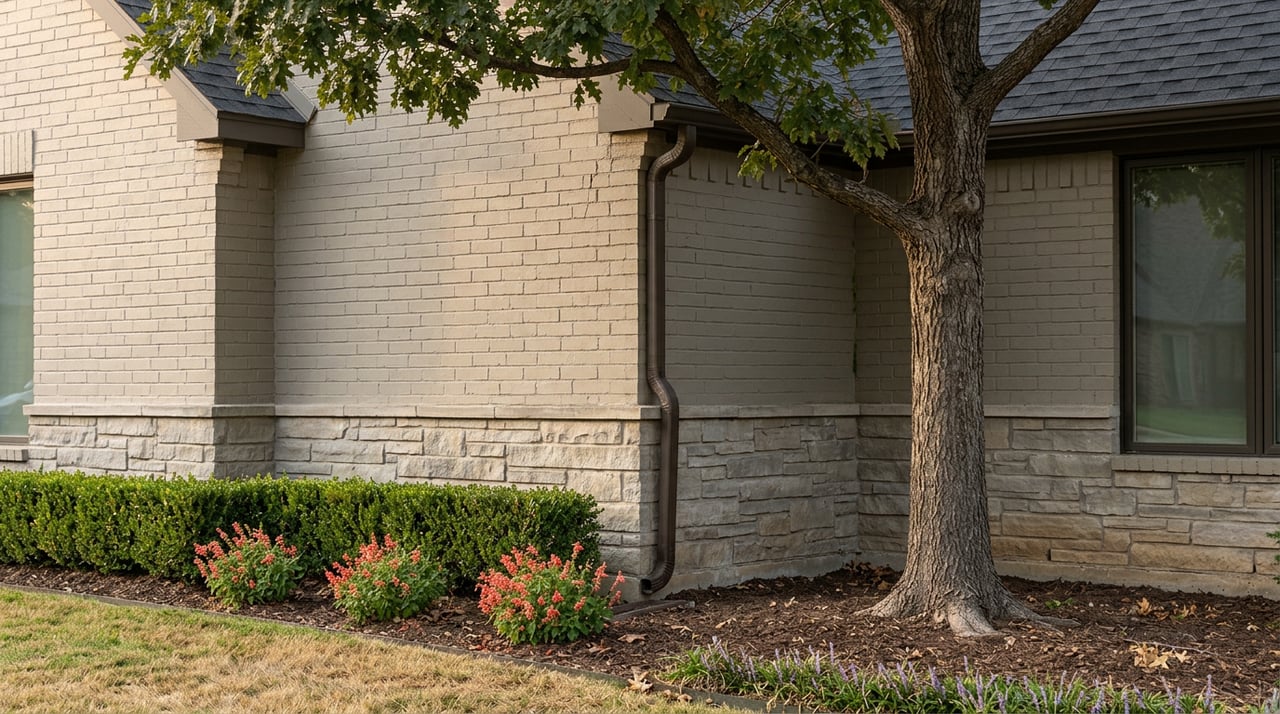
The useful part is what's planted in the yard. Shumard red oak, live oak, and cedar elm are common choices in Frisco's established neighborhoods, and a mature Shumard red oak within 15 feet of a foundation can pull 40 to 60 gallons of moisture out of the surrounding clay on a summer day. That's not a general regional trend. That's a specific tree, at a specific distance, pulling water out of the ground faster than the rest of the yard, creating a localized dry zone right next to the slab. The result is asymmetric settlement concentrated at the corner or perimeter section closest to the tree, not the even, whole-house movement people picture when they hear "foundation problem."
Neighborhoods with heavily landscaped lots, including Starwood, The Trails of West Fork, and established subdivisions along Lebanon Road, show elevated foundation crack rates next to mature tree plantings compared to homes on lots with less landscaping. The pattern isn't random. It's a function of how long those specific trees have had to grow next to those specific slabs.
Homes built between 1997 and 2008 along the Lebanon Road and Eldorado Parkway corridors have now been through enough of these shrink and swell cycles to show cumulative movement. On post-tensioned slabs, that shows up as perimeter corner drop cracks and stair-step cracking in brick veneer, most visible during the transition from a dry stretch back into wet weather. That's a specific, recognizable signature, and it's the one a buyer's engineer is trained to look for in exactly these neighborhoods.
This is where a lot of general advice falls apart, because it treats "expansive clay" as one uniform risk across Collin County. It isn't. The mechanism changes by corridor, era, and even by which trees were in the original landscaping plan.
| Area | Typical construction era | What's actually driving movement |
|---|---|---|
| Lebanon Road / Eldorado Parkway corridor, Frisco | 1997–2008 | Mature shade trees pulling moisture from clay near the slab, producing corner-specific cracking |
| Newer Prosper and Celina growth corridors | Post-2010 | Early-cycle cracking more often tied to under-slab plumbing than to soil cycles |
| Little Elm and The Colony, near Lewisville Lake | Mixed | Fluctuating groundwater and drainage conditions tied to lake proximity |
| McKinney's historic core | Pre-1980s | Decades of accumulated movement across the property's full lifespan, not tree-driven |
A buyer comparing a home in Starwood to one in a newer Prosper community isn't asking the same diligence question twice. In Starwood, the right question is about the trees and their proximity to the foundation. In newer Prosper construction, it's about plumbing. Treating both with the same generic "get an inspection" advice misses what each inspection should actually be looking for.
Here's the part that most sellers never think to time. Cracks caused by this shrink-swell cycle are most visible at the end of a long dry stretch, when the clay has contracted as far as it's going to. Late summer, after months of heat, is exactly that moment. Local foundation specialists recommend scheduling an annual evaluation each fall, right after summer drought stress has peaked, because that's the earliest and most cost-effective point to catch a developing condition.
There's a reason the timing matters beyond convenience. Once fall rains start, the clay re-saturates and swells back, and the same cracks that were clearly visible in August can partially close up by October. A seller who waits until the "For Sale" sign goes in the yard this fall may be getting their pre-listing walkthrough after the ground has already put its seasonal disguise back on. The window to actually document the true extent of movement is now, not after the rain resets the picture.
Does this only apply to slab foundations? No. Pier and beam homes, common in some of Frisco's older sections, face a related but distinct problem. Moisture swings affect the piers and wood beams rather than a poured slab, and crawl space ventilation becomes part of the diagnosis alongside tree proximity.
If I remove the tree, does the crack go away? Removing or relocating a tree within 10 feet of the foundation can stop the problem from getting worse, but it doesn't reverse settlement that's already happened. An existing crack pattern is a structural question for an engineer, not a landscaping fix.
Does this mean I should avoid buying in these neighborhoods? Not at all. It means going in with the right question. A documented, monitored, or already-repaired condition is a known cost you can plan around. An undiscovered one is a surprise that shows up during someone else's option period, on someone else's timeline.
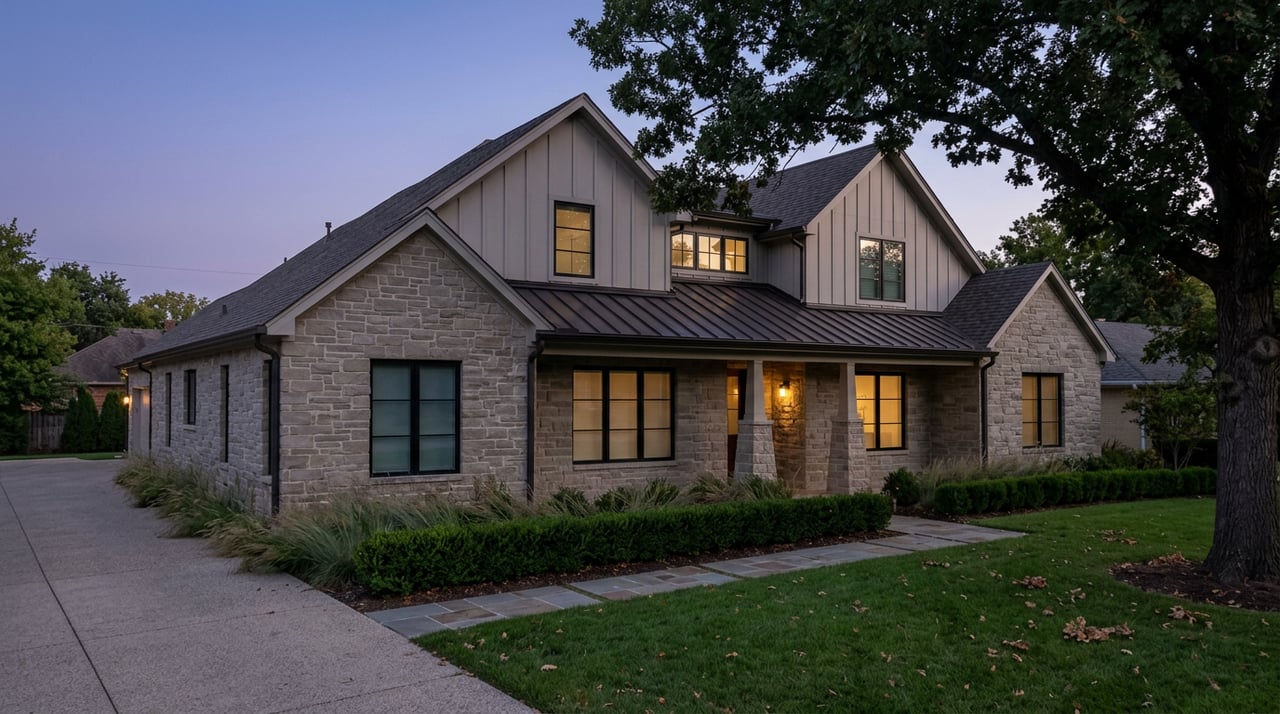
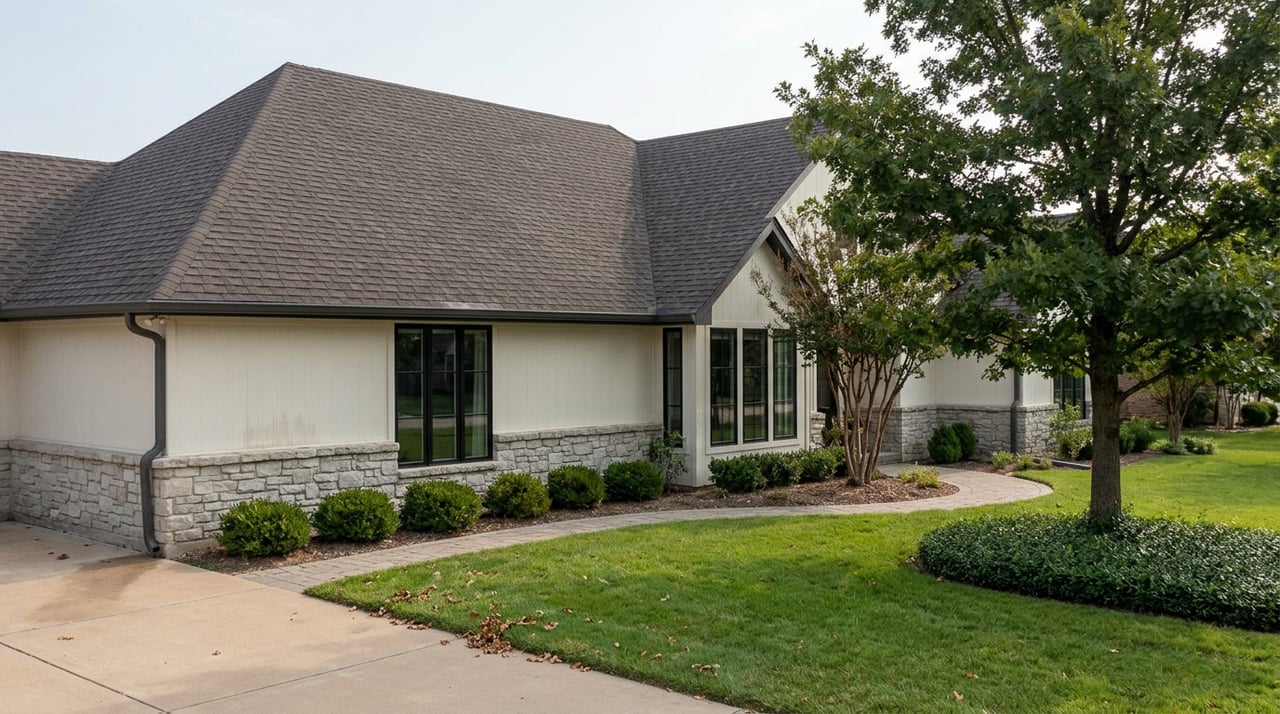
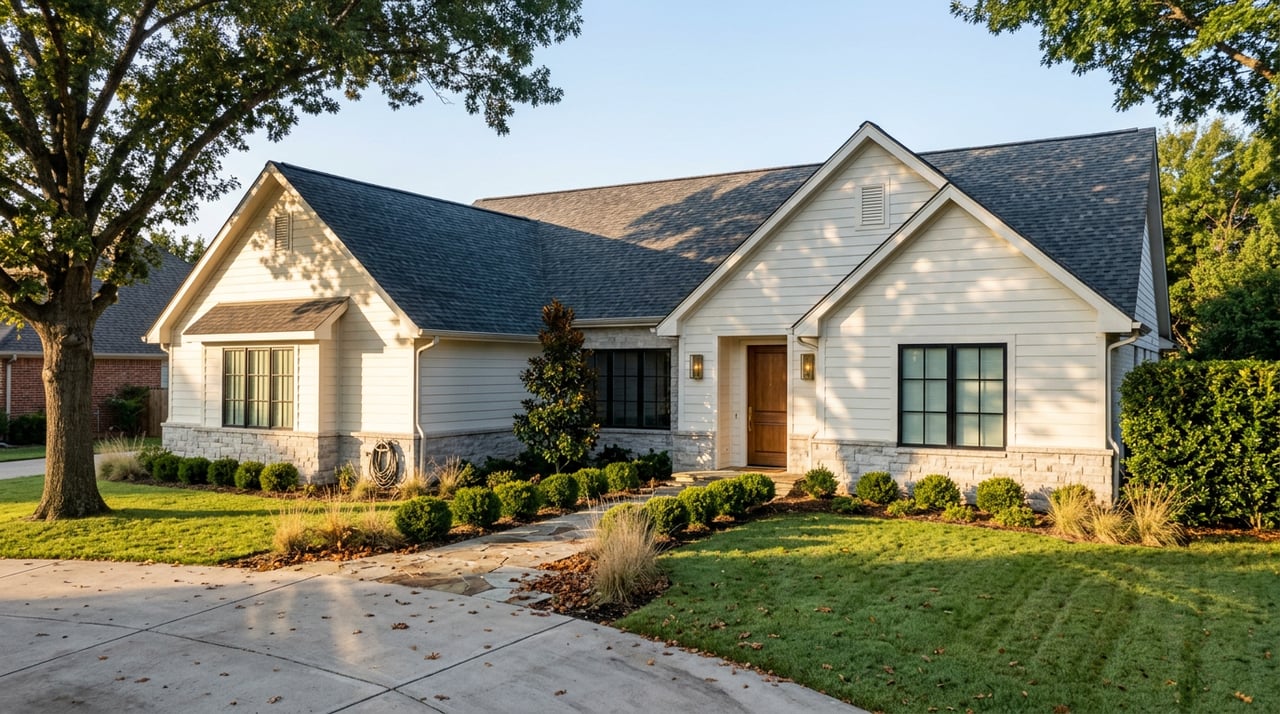
Frisco's established neighborhoods carry real character, mature canopy, and the kind of curb appeal that took twenty years to grow in. That same canopy is exactly what a pre-listing foundation check needs to account for. If you're weighing a sale in Starwood, along Lebanon Road, or anywhere in Frisco's 1997-to-2008 corridor, Weidler Group can walk you through what a pre-listing evaluation should cover and connect you with the right local specialists before a buyer's engineer gets there first. Sell a lifestyle: request your home valuation today.
As your trusted guide, you're not just acquiring a property; you're uncovering a home that encapsulates your dreams and aspirations.